
The Dangers of Handling Hazardous Materials - A Guide
 By
By
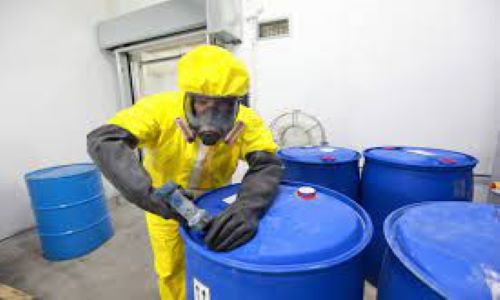
Employees handling hazardous materials must abide by certain best practices to stay safe. This ensures the wellbeing of everyone involved. Store chemical agents in a dry, cool area while keeping incompatible ones separate. All containers should be leakproof, vapor tight and appropriately labeled for storage purposes. Conduct regular safety inspections to reduce risks of exposure or contamination. Furthermore, investing in hazardous material storage lockers can help to keep potentially harmful substances secure. Identifying Hazardous Materials From cleaning products to antifreeze, hazardous chemicals are an integral part of many workplaces and industries. If these substances are mishandled, however, they may pose significant health and well-being risks to employees as well as damage the environment and hamper business operations. Workers looking for hazardous materials should examine both its container and Safety Data Sheet (SDS), available from its supplier, for words like "danger" and "warning," in addition to consulting its SDS for full details about all possible dangers as well as recommended PPE. Furthermore, an SDS will contain vital information regarding safe handling practices and recommendations from its supplier. Other characteristics that define hazardous materials include their ignitability, corrosivity and potential to react with other substances. All these aspects are taken into consideration when regulating waste products under the Environmental Protection Agency's F, K and R lists; their identification system utilizes internationally standard pictograms and terms. Storing Hazardous Materials Hazardous materials should be stored in containers that are chemically inert, vapor-tight and leakproof receptacles; labeled with their contents clearly for easy identification; located in a dry, cool and ventilated space with plenty of ventilation; separated to avoid reactions between different substances, with incompatible ones kept apart and frequently cleaned to reduce exposure levels and remove dust, debris or rodents from work surfaces. All containers containing hazardous waste must be clearly marked with pictograms, statements or single words to indicate its danger and provide necessary details such as name of chemical, odor characteristics and any potential effects upon humans if accidentally consumed or inhaled. These labels and MSDS sheets should include instructions on how to handle the material safely, including precautions for its safe handling, immediate effects of exposure, personal protective equipment (PPE) needed and emergency procedures in case of spill or accident. Ideally they should be adhered to containers in large letters. Disposing of Hazardous Materials Some chemicals have long-term impacts when exposed to both humans and the environment, including health problems such as skin rashes, cancer and respiratory illnesses as well as destruction of ecosystems by killing organisms or restricting plant and animal growth. No matter the industry, many businesses rely on hazardous materials in their daily operations. This may include manufacturing companies reliant on chemicals; agricultural firms employing fertilizers and pesticides; medical centers who deal with infectious substances or even simply retail stores selling these items. Once these chemicals are no longer required, they should be properly disposed of. Dumping them into lakes, rivers or streams could contaminate groundwater and surface water causing harm to aquatic life, trees and vegetation resulting in their death, crop productivity loss as a result and human health concerns; it's therefore essential that researchers ensure any hazardous waste created is appropriately managed. Educating Employees Provide training to ensure that employees understand the risks involved with handling hazardous materials; not only is this beneficial in terms of keeping employees safe, but it's also required by law. HazMat training typically provides information about different dangerous substances and their reactions when exposed to various environmental conditions, such as flammable liquids and gasses, corrosive chemicals and radioactive materials. Furthermore, HazMat courses cover how best to store such materials as well as what should happen if leakage or spillage occurs. Employees should also be made aware of the specific symptoms that result from exposure to chemicals or materials, including how long-term exposure could affect health. Safety Data Sheets, commonly referred to as SDSs, should be accessible and easily searchable by all employees; you could organize these SDSs by category such as flammability for easier navigation by employees. You might also consider creating protocols which include regularly reviewing established procedures as well as training new hires. Lastly, select fire rated and FM approved cabinets to store hazardous materials.