Unveiling Black Magic: Origins, Evolution, and Cultural Variations
 By
By
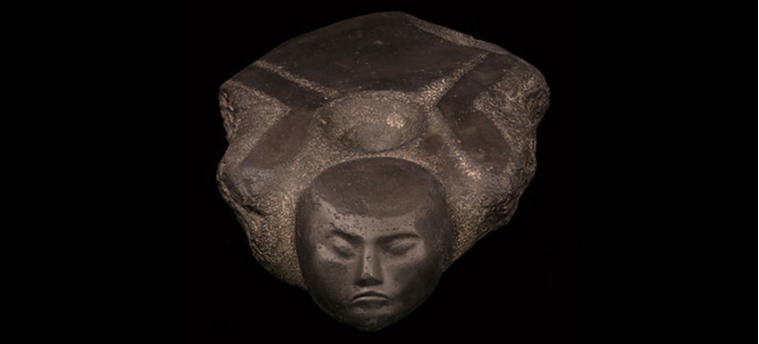
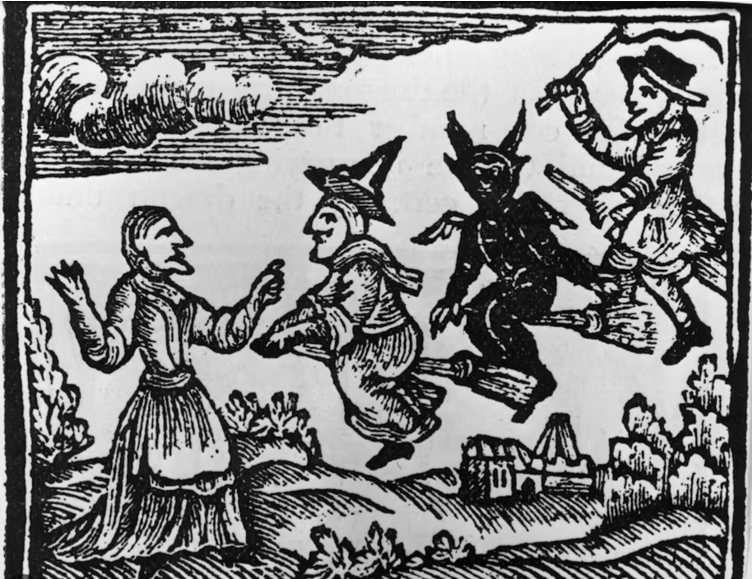
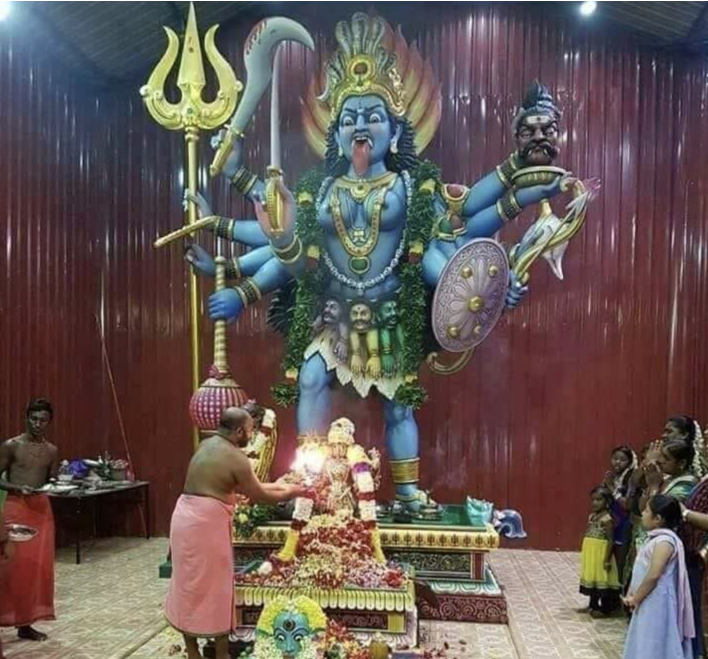
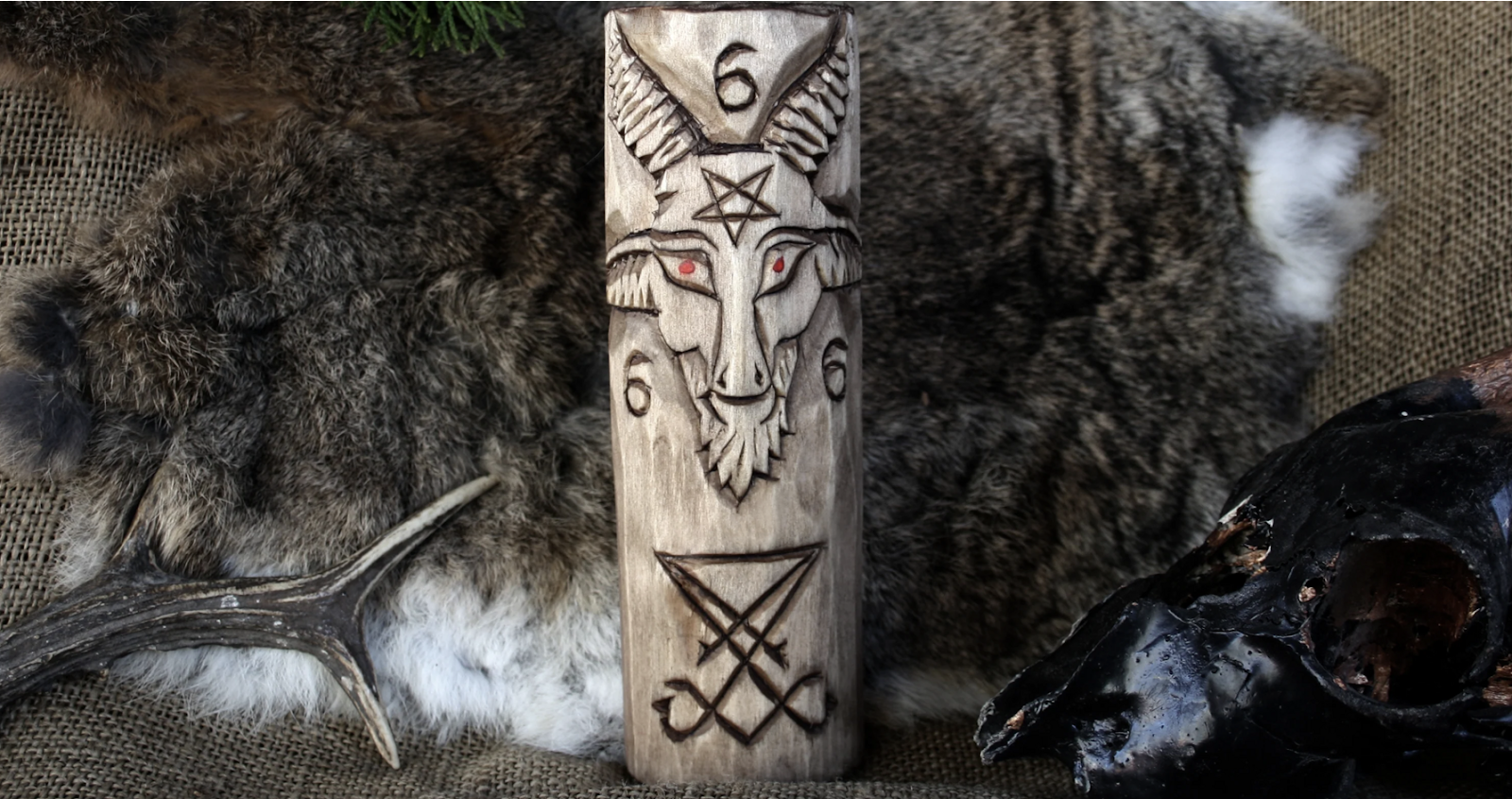
Black magic was always covered in mystery and loathsome. It has attracted human minds for decades. The definition of this term evokes a sense of darkness and powerful natural phenomenons. In our case, we will research the origins and evolution of this black art, exploring it’s history and basics and how it has manifested across different cultures. Ancient Roots: The origins of black magic mythology, the gods and dieites that were related with it, go back the to ancient myths, where rituals and practices aimed at harnessing supernatural forces were prevalent. In Mesopotamia, one of the cradles of civilization, early forms of magical practices were intertwined with religious ceremonies. The use of incantations, spells, and black magic idols sought to influence the natural and spiritual realms. In ancient Egypt, practitioners known as magicians or sorcerers were believed to possess the knowledge to manipulate divine energies. The infamous Egyptian Book of the Dead, a guide to the afterlife, contained spells and incantations that could be interpreted as a form of magical practice. Greece and Rome also had their share of magical traditions, with individuals known as magi or witches performing rituals to invoke gods or manipulate the forces of nature. The concept of binding spells and curses became prevalent during this time, laying the groundwork for what would later be labeled as black magic. Medieval Europe: As Christianity spread across Europe, magical practices not aligned with the Church's teachings were deemed heretical. The Church actively condemned any form of magic that was perceived as a challenge to its authority. The line between what was considered white or black magic became blurred, with any non-conforming magical practices often labeled as demonic. In the medieval times, when there were many weird religious rituals, the infamous witch trials of the medieval period were fueled by the fear of black magic. Women, in particular, were accused of practicing dark arts and consorting with the devil. The Malleus Maleficarum, a treatise on witchcraft published in the late 15th century, further fueled the hysteria, providing a guide for the identification and prosecution of witches. Cultural Variations: The Western civilization is not the only source of the black magic rituals and beliefs. Different types and variations of it has appeared across the planet under different names and meanings. In African and Middle American traditions, practices such as voodoo and hoodoo involve the invocation of spirits, magic rituals for both positive and negative purposes. In South Asia, particularly in India, black magic was spread as "kala jadu" or "tantra." It is often mentioned in ancient texts like the Atharva Veda, where rituals for both protection and harm are detailed. The practice of "vashikaran," a form of mind control, is often associated with black magic in Indian occult traditions. Modern Interpretations: In contemporary times, people see black magic differently. While some view it as a relic of the past or a fictional concept, others still believe in its power. Modern occult rituals similar to Wicca and modern witchcraft, embrace a more nuanced understanding of magic, where intent and ethics play a significant role. Black Magic Figure The interpretation of "gods of evil sorcery" doesn't belong to a specific, universally recognized mythology, because it can be present in different ways in different cultures, religions, and fantasy settings. However, I can provide you with a general idea of what gods associated with evil sorcery might be like based on common themes in mythology and fantasy literature: 1. **Dark and Malevolent Presence:** Gods of evil sorcery are often depicted with a dark and malevolent aura. Their very presence instills fear and unease, and they may thrive on the suffering of others. 2. **Mastery of Dark Arts:** These deities are typically masters of dark and forbidden magical arts. They may have command over curses, necromancy, mainly used to manipulate people and harm them. 3. **Cunning and Deception:** Evil sorcery gods are often portrayed as cunning and deceitful. They may use their magical prowess to manipulate mortals and other divine beings for their own sinister purposes. 4. **Corruption and Decay:** Their influence may be associated with corruption and decay. The lands they touch may wither, and their followers might engage in dark acts that cause destruction and chaos. 5. **Minions and Servants:** These gods may have a host of dark creatures, demons, or other malevolent entities as their minions and servants. These creatures carry out the will of their malevolent deities, spreading chaos and despair. 6. **Symbolism:** Symbols associated with these gods could include darkened celestial bodies, such as eclipses or blood moons. Snakes, ravens, or other creatures associated with mystery and darkness might also be linked to these deities. 7. **Domains of Control:** Evil sorcery gods might have dominion over specific realms, such as the underworld, shadow realms, or domains filled with torment and suffering. It's important to note that the specific attributes and characteristics of gods of evil sorcery can vary widely depending on cultural and fictional contexts. Different mythologies and fantasy worlds have unique interpretations of deities associated with dark magic and sorcery. Black magic, with its rich and diverse history, continues to captivate the human imagination. It’s evolution reflects the changing beliefs and fears of societies throughout the ages. Understanding the origins of black magic allows us to appreciate the complexity of human spirituality and the enduring fascination with the mysterious and supernatural. Black Magic Figures You can buy many different figures of various deities and gods related to black magic in our web store. Our craftsmen invest a lot of efforts and skills to make the best quality wooden idols for you. They do not deform or fade and will be a part of your collection or decoration at home for years. We have many satisfied customers who are glad to own these idols for themselves or made them a good present to their relatives or friends who appreciate and interested in old mythology of different cultures. You can buy a single figurine or a set of them. Also, we accept custom orders if you want to have something that is not present in our online shop.