
Protecting Your Vehicle: The Role of Paint Protection Film and Ceramic Coating
 By
By
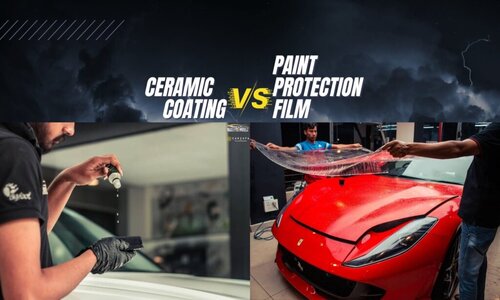
Vehicle paint is constantly exposed to a wide range of elements—rocks, debris, bird droppings, and harsh weather conditions—that can damage its surface over time. The importance of protecting your vehicle’s paint cannot be overstated, especially with the rising trends in automotive paint protection. Among the most effective ways to shield your car's exterior are paint protection film in Dubai (PPF) and ceramic coating. Both technologies offer unique benefits, but understanding their differences is crucial in choosing the right one for your vehicle. This article explores how these protective coatings work and why they matter for your car's longevity and resale value. II. Understanding Paint Protection Film (PPF) A. What is Paint Protection Film? Paint Protection Film (PPF) is a clear, durable, thermoplastic urethane film applied to a vehicle's paintwork to protect it from physical damage. Originally developed for military applications to protect helicopter blades from damage, PPF has since gained popularity in the automotive industry. It is made up of layers that work together to create an invisible barrier against external elements. Over time, PPF has evolved with advancements in technology, and now includes self-healing properties that enhance its effectiveness. B. Key Benefits of Paint Protection Film Physical Protection Aesthetic Advantages C. PPF Application Process While PPF can be installed by DIY enthusiasts, professional installation is highly recommended to ensure a flawless application. The process involves preparing the surface, applying the film carefully over the paint, and trimming it to fit. Professional installers have the expertise to guarantee that the film adheres properly and is free from air bubbles. Costs vary depending on the vehicle’s size and the film’s quality but investing in professional installation can save time and money in the long run. III. Ceramic Coating Explained A. What is Ceramic Coating? Ceramic coating is a liquid polymer applied to a vehicle’s exterior to form a chemical bond with the paint, creating a hydrophobic layer that repels water, dirt, and contaminants. The primary ingredient in ceramic coatings is silica dioxide (SiO2), which uses nanotechnology to bond with the surface on a molecular level. This coating creates a durable, long-lasting shield against environmental damage. B. Advantages of Ceramic Coating Chemical Protection Aesthetic Benefits C. Ceramic Coating Application Professional application is recommended for ceramic coatings, as it requires precise surface preparation. The process involves thoroughly cleaning the vehicle, applying the coating in layers, and allowing it to cure for a specified time. While ceramic coatings are generally low-maintenance, periodic washing and occasional inspections are necessary to maintain their effectiveness. IV. Comparative Analysis: PPF vs. Ceramic Coating A. Protection Level Comparison When it comes to protection, PPF offers superior defense against physical damage such as rock chips and scratches, whereas ceramic coating excels at providing chemical protection and preventing stains. While PPF is better suited for high-impact areas like the front bumper and hood, ceramic coating is ideal for protecting the entire vehicle’s surface from environmental contaminants and UV damage. B. Cost Analysis While the initial investment in PPF and ceramic coating can vary, PPF tends to be more expensive due to its advanced protective properties and the labor-intensive installation process. Ceramic coating is generally more affordable and offers a longer-lasting solution, with lower maintenance costs in the long term. However, both provide excellent value in terms of preserving your vehicle’s appearance and resale value. C. Ideal Scenarios for Each Protection Method For vehicles that face heavy road debris, frequent exposure to rocks, or harsh driving conditions, PPF is the ideal choice. Conversely, for those looking to maintain a shiny, clean finish with minimal maintenance, ceramic coating is the better option. Many vehicle owners opt for a combination of both, applying PPF in high-impact areas and ceramic coating to the entire vehicle for comprehensive protection. V. Choosing the Right Protection for Your Vehicle A. Factors to Consider When deciding between PPF and ceramic coating, consider the type of vehicle, its usage conditions, and your budget. If your car frequently encounters road debris, PPF may be a worthwhile investment. For vehicles exposed to harsh sunlight or those frequently washed, ceramic coating Dubai can provide added protection. B. Professional Recommendations Before committing to either treatment, consult with professional detailers to get personalized recommendations. They can assess your vehicle’s needs and guide you toward the best protection strategy. VI. Maintenance and Care A. PPF Maintenance PPF requires minimal maintenance. Regular washing with non-abrasive cleaners will help maintain its protective properties. If the film becomes damaged, it can often be repaired or replaced. B. Ceramic Coating Maintenance Ceramic-coated vehicles require regular washing with a pH-neutral soap to maintain their hydrophobic properties. Periodic inspections by professionals ensure the coating is still performing as expected. VII. Common Myths and Misconceptions There are several myths surrounding PPF and ceramic coatings. Some believe that these treatments make a car completely scratch-proof, but while they offer excellent protection, no product can guarantee 100% scratch resistance. Both PPF and ceramic coatings are highly effective, but realistic expectations are important. VIII. Future of Paint Protection The automotive protection industry is continually evolving, with emerging technologies in nanotechnology and advancements in materials that promise even more efficient and durable protection solutions. Expect further innovation in the coming years, with products offering even greater performance. IX. Conclusion In conclusion, paint protection film (PPF) and ceramic coating are both essential tools in preserving your vehicle’s appearance and ensuring its longevity. By understanding the differences between the two and considering your vehicle’s needs, you can make an informed decision on the best protection strategy for your car. Whether you choose PPF, ceramic coating, or a combination of both, investing in these technologies is a smart move for any vehicle owner looking to maintain their car's value and aesthetic appeal.
PPF provides an impenetrable shield against rock chips, scratches, and other road debris. It acts as a barrier that absorbs impact, ensuring the paint beneath remains intact. Self-healing properties allow minor scratches and swirl marks to disappear under heat, further preserving the paint’s flawless appearance.
The film is nearly invisible, so it doesn’t alter the vehicle’s original paint color. Unlike waxing or other temporary solutions, PPF ensures the car's finish stays as fresh as the day it was applied. Additionally, it helps maintain the vehicle’s resale value by preventing damage and keeping the paint in pristine condition.
Ceramic coatings provide excellent protection against UV rays, oxidation, and chemical stains. The hydrophobic nature of the coating prevents contaminants like tree sap and bird droppings from adhering to the paint, making them easier to remove and reducing the risk of permanent stains.
Ceramic coatings enhance the vehicle’s gloss and depth of color, giving the car a shiny, showroom-like finish. The coating’s ability to repel water makes it easier to clean, reducing the time and effort spent washing your vehicle. The result is a long-lasting shine that maintains the car's appearance for years.