
An Unlikely Bedfellow Delivers A Wake-Up Call To US
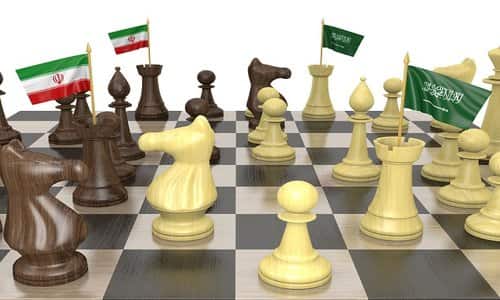 By Jonathan S. Tobin/JNS.org November 27, 2017
Share this article:
The confrontation stems from the Saudis' decision to intervene in Lebanon, whose Prime Minister Saad Hariri resigned during a visit with his Saudi patrons. This may have been the result of Saudi pressure or a genuine desire to rid Lebanon of the Hezbollah terrorist movement that dominates the country. Either way, the Saudis have a point.
Thanks to President Barack Obama's withdrawal from Iraq, Iran's allies now control that country. The success of Iranian, Hezbollah and Russia forces in winning the Syrian Civil War for the Bashar al-Assad regime has ensured the survival of Tehran's ally in Damascus and given it a seemingly permanent military presence there.
The Saudis aren't the only ones worried. Iran's presence in Syria and its renewed alliance with Hamas in Gaza give it the potential to launch a three-front war on Israel. That's why the Saudis are desperately trying to push the Americans, with Israel's tacit support, to take a tougher stance toward Russia in Syria and Lebanon before it is too late to do anything to restrain the Iranians.
Sorting out this foreign policy Rubik's Cube would be a difficult task for any president, but it is especially hard for an administration with a secretary of state who isn't trusted by the White House and is also distracted by the need to deal with North Korea's provocations.
The confrontation may be part of Saudi Crown Prince Mohammed bin Salman's purge of potential rivals, as he has begun to take the reins of power in Riyadh. Some, like former U.S. Ambassador to Israel Daniel Shapiro, argue the Saudis are trying to drag Israel into doing their dirty work through an unnecessary war with Iran and its proxies.
But both the Saudis and the Israelis understand the U.S. must stop outsourcing Syrian policy to the Russians--the one example of Trump following rather than rejecting one of Obama's failed policies. The result is a disaster, as the Israelis learned when the U.S. recently signed off on a cease-fire that could put Iranian and Hezbollah forces close to the border with the Jewish state.
Americans have good reason to be skeptical of Saudi Arabia. But the Saudis are right to alert Trump to the need to get over his foolish notions about Russia and recommit the U.S. to holding the line against Iran. If Trump fails to listen to them, the price paid by the U.S. and its allies could be higher than he thinks.
It's difficult for Americans to sympathize with the rulers of Saudi Arabia. Though a longstanding ally of the U.S., the oil-rich theocracy has helped foment extremism around world by funding fundamentalist mosques and madrassas. That 15 of the 19 hijackers who carried out the 9/11 attacks were Saudis and not Iranians is something that can't be forgotten.
But the moment may have arrived when Riyadh may be providing some common sense advice Washington should heed. By taking steps to highlight the need for the West and its Arab allies to start addressing Iran's successful drive for regional autonomy, the Saudis are trying to alert a Trump administration that is hostile to Iran, but asleep at the wheel when it comes to developments in Syria and Lebanon because of its infatuation with Russia, that it's time for a wake-up call.
The confrontation stems from the Saudis' decision to intervene in Lebanon, whose Prime Minister Saad Hariri resigned during a visit with his Saudi patrons. This may have been the result of Saudi pressure or a genuine desire to rid Lebanon of the Hezbollah terrorist movement that dominates the country. Either way, the Saudis have a point.
Thanks to President Barack Obama's withdrawal from Iraq, Iran's allies now control that country. The success of Iranian, Hezbollah and Russia forces in winning the Syrian Civil War for the Bashar al-Assad regime has ensured the survival of Tehran's ally in Damascus and given it a seemingly permanent military presence there.
That gives Iran what is, for all intents and purposes, a land bridge to Lebanon, where its Hezbollah auxiliaries operate with impunity and control the government. Emboldened by wealth from the nuclear deal it struck with Obama and strengthened by the acquiescence of the Russians--who stepped into the vacuum Obama left when he failed to make good on his "red line" chemical weapons threat to Assad--Iran is now on the brink of becoming the dominant power in the region.
The Saudis aren't the only ones worried. Iran's presence in Syria and its renewed alliance with Hamas in Gaza give it the potential to launch a three-front war on Israel. That's why the Saudis are desperately trying to push the Americans, with Israel's tacit support, to take a tougher stance toward Russia in Syria and Lebanon before it is too late to do anything to restrain the Iranians.
Sorting out this foreign policy Rubik's Cube would be a difficult task for any president, but it is especially hard for an administration with a secretary of state who isn't trusted by the White House and is also distracted by the need to deal with North Korea's provocations.
But though Washington would prefer to ignore the alarm about Iran the Saudis are sounding, it's high time President Donald Trump start thinking about the inherent contradiction between his justified hostility to Tehran and his apparent crush on Vladimir Putin's regime.
The confrontation may be part of Saudi Crown Prince Mohammed bin Salman's purge of potential rivals, as he has begun to take the reins of power in Riyadh. Some, like former U.S. Ambassador to Israel Daniel Shapiro, argue the Saudis are trying to drag Israel into doing their dirty work through an unnecessary war with Iran and its proxies.
The fear is that Iran could distract the U.S. from a dubious "outside-in" strategy, in which Riyadh will bribe or pressure the Palestinian Authority into finally making peace with Israel even though there is little reason to think such a plan could succeed.
But both the Saudis and the Israelis understand the U.S. must stop outsourcing Syrian policy to the Russians--the one example of Trump following rather than rejecting one of Obama's failed policies. The result is a disaster, as the Israelis learned when the U.S. recently signed off on a cease-fire that could put Iranian and Hezbollah forces close to the border with the Jewish state.
The Saudis may be strange bedfellows. Yet what's going on is not Riyadh manipulating Israel, but a case of the two countries having a common interest as well as a mutual foe. Both understand that if the U.S. sits back and allows Iran to consolidate its gains, there's no telling what will happen next.
Americans have good reason to be skeptical of Saudi Arabia. But the Saudis are right to alert Trump to the need to get over his foolish notions about Russia and recommit the U.S. to holding the line against Iran. If Trump fails to listen to them, the price paid by the U.S. and its allies could be higher than he thinks.
Originally published at JNS.org - reposted with permission.