
Dangerous Cultural Shift Among Youth - Violence Can Achieve Justice
 By PNW Staff December 18, 2024
Share this article:
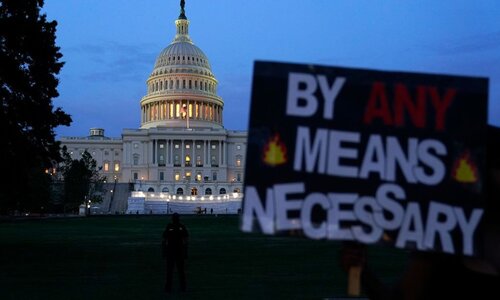
The recent assassination of UnitedHealthcare CEO Brian Thompson has not only shocked the nation but also revealed a disturbing trend among young Americans. A poll by Emerson College indicates that 41% of individuals aged 18 to 29 consider the murder either somewhat or completely acceptable, surpassing the 33% who find it completely unacceptable.
This unsettling perspective among the youth raises profound moral and societal concerns. The acceptance of such violence signifies a departure from foundational ethical principles that have traditionally underpinned our society.
The commandment "Thou shalt not kill" is a cornerstone of moral teaching, emphasizing the sanctity of human life. When a significant portion of the younger generation deems assassination an acceptable form of protest or retribution, it reflects a troubling erosion of this moral compass. This shift has consequences that reach far beyond the current moment, shaping the trajectory of the next generation—a generation that risks becoming desensitized to violence as a legitimate form of action.
Several factors may contribute to this shift in perspective. Widespread frustration with systemic issues, such as corporate greed and failures within the healthcare system, can lead to feelings of helplessness and disenfranchisement. In the case of Luigi Mangione, the accused assassin, reports suggest he harbored deep resentment towards the health insurance industry, possibly stemming from personal grievances.
When individuals witness injustice—be it denied healthcare or financial hardship—it can create an environment where extreme actions appear justified. The emotional weight of such grievances is understandable, but the danger lies in mistaking vengeance for justice.
However, accepting violence as a solution opens the door to a dangerous cultural shift. When the moral line against murder becomes blurred, society begins to lose its foundation for justice and peace. Today, it may be a CEO whose life is deemed expendable due to their corporate position; tomorrow, it could be any figure of perceived authority.
A generation that sees violence as a legitimate tool for addressing grievances risks normalizing not only extreme rhetoric but actionable, real-world violence. This is a slippery slope—one that leads to a society governed by chaos rather than dialogue and law.
For young Americans to embrace such thinking is especially troubling because it signals a broader cultural breakdown. Social media, where outrage and extremism are often rewarded with attention and validation, may amplify this trend. Platforms provide fertile ground for radicalization, encouraging echo chambers where violence is not only tolerated but celebrated.
The assassination of Brian Thompson has already been met with celebratory comments from influential figures and everyday users alike. While it may seem like a fringe reaction, the Emerson poll shows it is anything but isolated.
The moral implications cannot be overstated. The Christian worldview teaches that every life is sacred, regardless of perceived wrongs or grievances. Jesus taught us to "love your enemies and pray for those who persecute you" (Matthew 5:44), offering an alternative to retaliation and violence. When a culture drifts away from such principles, it loses its capacity for empathy, forgiveness, and reconciliation—values essential to a just and compassionate society.
But what happens to a generation that grows up believing violence can achieve justice? History offers sobering answers. Movements built on violence often spiral into cycles of destruction, where the end result is suffering for all involved. Without a moral compass, the next generation risks becoming participants in a fractured society where dialogue is replaced by force and reason by rage.
If CEOs, government leaders, or any figures of authority are viewed as fair targets for grievances, we risk raising a generation that no longer believes in peaceful advocacy or democratic solutions. In this environment, disillusionment can transform into actionable violence, creating a future marred by unrest.
Addressing this crisis requires immediate action. Parents, educators, faith leaders, and community leaders must work together to rebuild the moral foundation that has been eroded. The younger generation needs constructive outlets to express their frustrations—not platforms that validate extremism.
Churches have a vital role to play in this process, offering a counter-narrative to the culture of vengeance. We must remind young people that while the pursuit of justice is noble, justice devoid of compassion and respect for life becomes destructive.
Systemic issues, too, cannot be ignored. Frustration with institutions such as healthcare providers or corporations often stems from legitimate grievances. Addressing these concerns with transparency, reform, and empathy can reduce the feelings of powerlessness that lead to dangerous thinking. Yet, the path forward cannot involve excusing or normalizing violence. The acceptance of assassination as a solution to societal wrongs is a moral failure that must be confronted head-on.
The Emerson poll should serve as a wake-up call. If the next generation loses its moral compass, the consequences will reverberate for decades to come. We must ask ourselves: what kind of society are we shaping? One that values human life, forgiveness, and justice? Or one that tolerates a descent into violence and chaos? For Christians, the answer is clear. Our faith compels us to stand against such dangerous trends and call our society back to the values of compassion, peace, and the sanctity of life.
The future of our culture—and the hearts of the next generation—depend on our willingness to address this moral drift. We cannot remain silent. Instead, we must rise to the occasion, offering hope, guidance, and a renewed commitment to the principles that uphold the dignity of every human being.